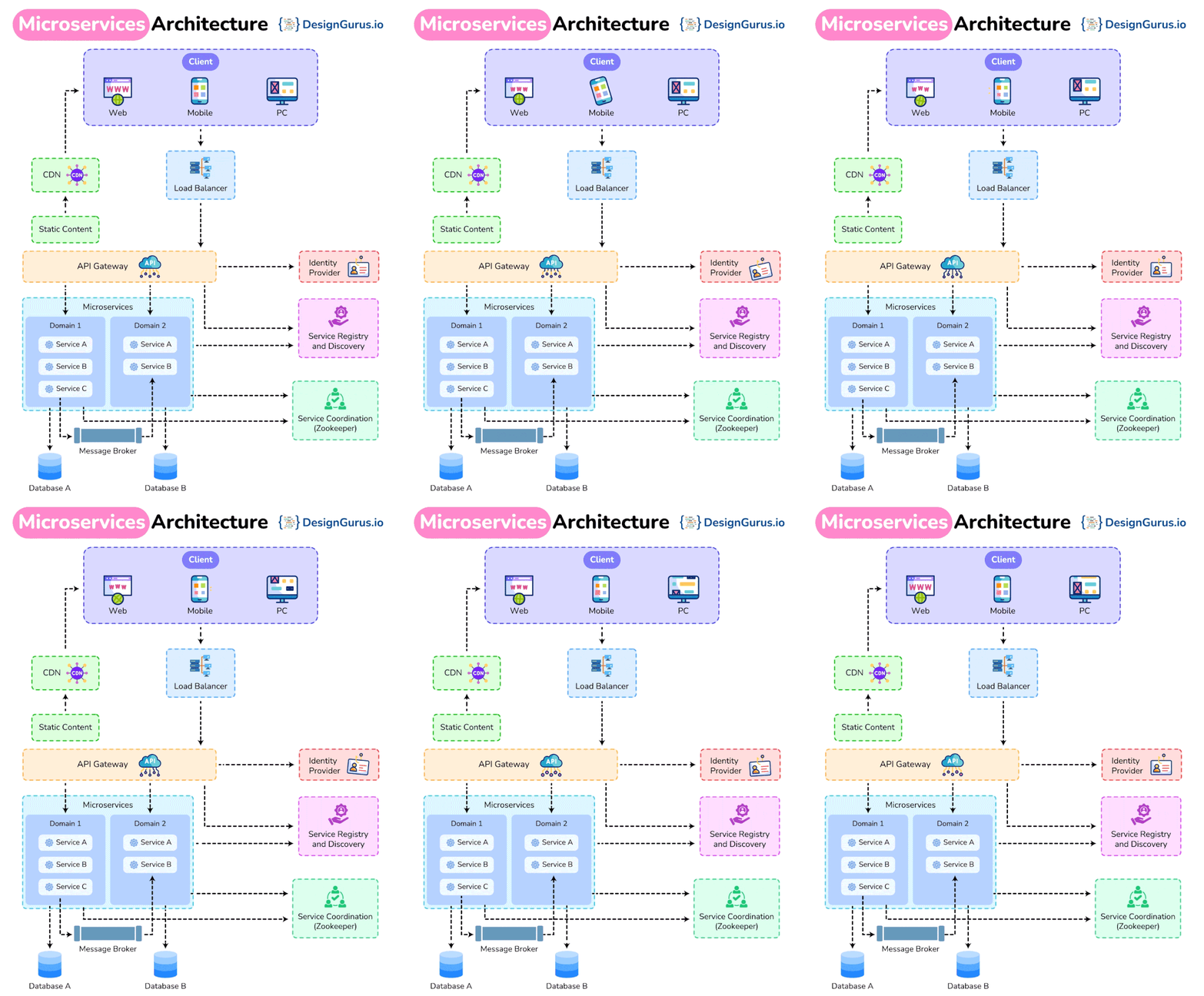
In the fast-paced world of software development, microservices architecture has emerged as a powerful approach to building scalable, flexible, and maintainable applications. Unlike traditional monolithic architectures, where everything is tightly coupled in a single codebase, microservices break down an application into smaller, independent services that can be developed, deployed, and […]
Design patterns are standardized solutions to common programming problems, making code easier to read, extend, and maintain. As a senior developer with over a decade of experience, I’ve used these patterns to tackle complex challenges efficiently. In this article, I’ll simplify the essence of popular design patterns, with a focus […]
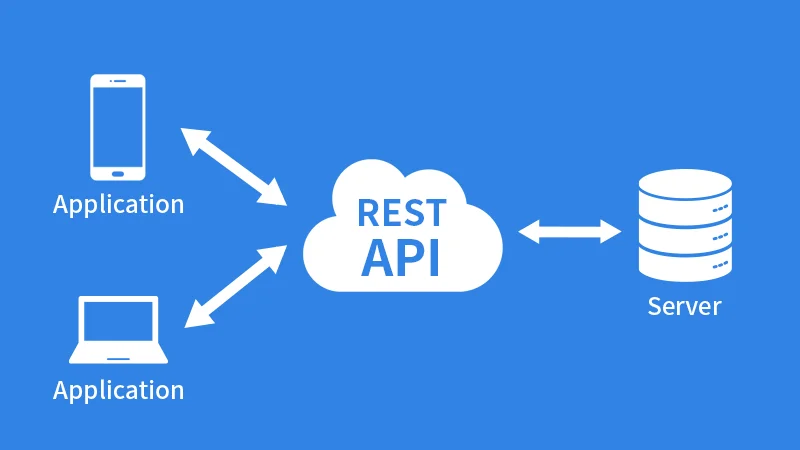
In the ever-evolving world of web development, RESTful APIs (Representational State Transfer APIs) remain a cornerstone for building scalable, stateless, and efficient backend services. These APIs enable seamless communication between clients and servers, powering everything from mobile apps to enterprise systems. As we step into 2025, choosing the right framework […]
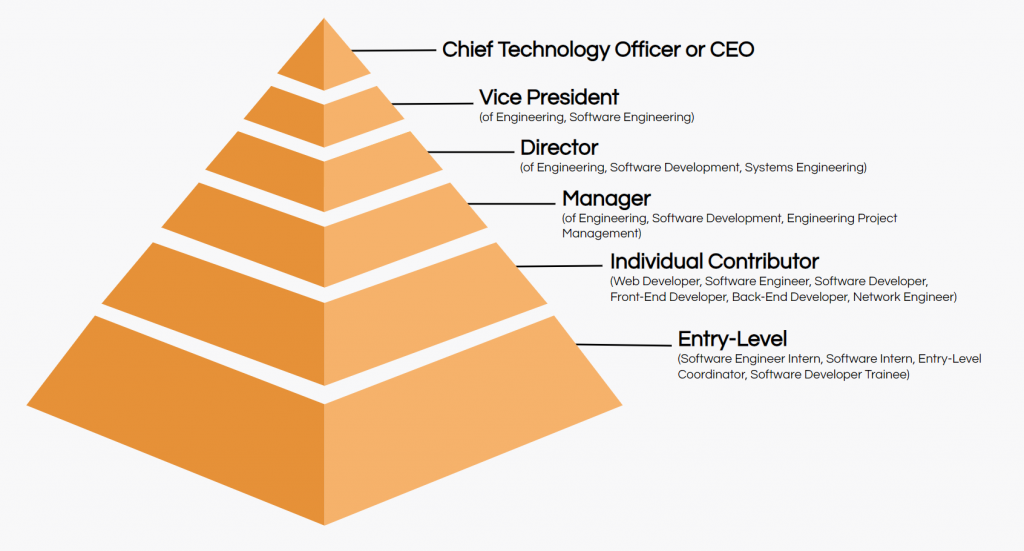
IT Company Role Hierarchy: A Clear and Visual Guide The IT industry moves fast, with new tech like AI and cloud computing reshaping how companies operate. To keep things running smoothly, IT firms rely on a clear role hierarchy. This guide breaks down five key roles—Director, Senior Executive, Executive, Senior, […]
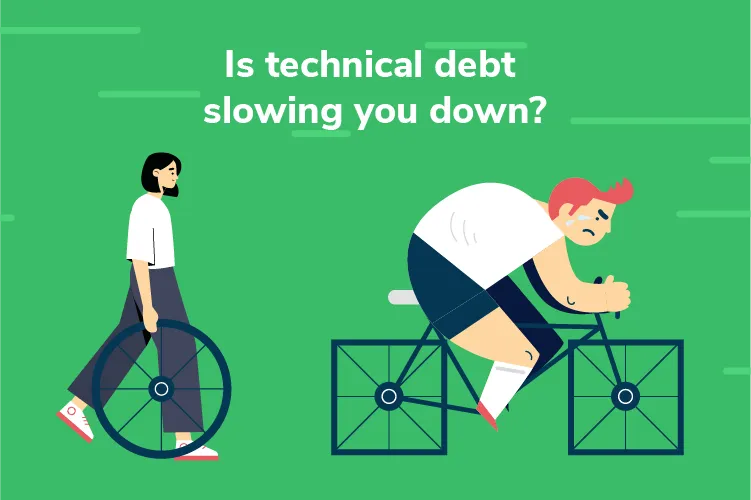
技術的負債って何? 技術的負債(Technical Debt)とは、ソフトウェア開発で「今すぐ動く」ことを優先して、コードや設計の品質を妥協することで生じる、将来的な修正コストのことです。まるで借金のように、短期的な利益を得る代わりに、後で「利息」としてメンテナンスの手間や時間がかかる問題です。 例えば、急いで製品をリリースするために、テストを省いたり、雑なコードを書いたりした経験はありませんか?それが技術的負債の一例です。 なぜ技術的負債が生まれるのか? 技術的負債は、以下のような理由で発生します: 例として、スタートアップが新機能を急いでリリースするために、スケーラブルでないデータベース設計を選ぶケースがあります。最初は問題なくても、ユーザーが増えるとパフォーマンスが落ち、修正に大きな手間がかかります。 技術的負債の影響 放置された技術的負債は、プロジェクトに以下のような悪影響を及ぼします: 技術的負債を管理する方法 技術的負債は完全に避けるのは難しいですが、適切に管理することでリスクを減らせます: まとめ:負債との上手な付き合い方 技術的負債は、ソフトウェア開発の避けられない一部です。しかし、借金と同じで、計画的に「返済」すれば大きな問題にはなりません。チームで負債を認識し、早めに対処する文化を育てることが、プロジェクトの成功につながります。 次に新機能を急いで実装する前に、少し立ち止まって「このコード、将来の自分に優しいかな?」と自問してみてください。あなたのプロジェクトの未来が、きっと変わります! 一言でいうと、技術的負債は、「急いで建てた家の手抜き工事」のようなもの:今は住めるけど、後で修繕に大きなコストがかかる。
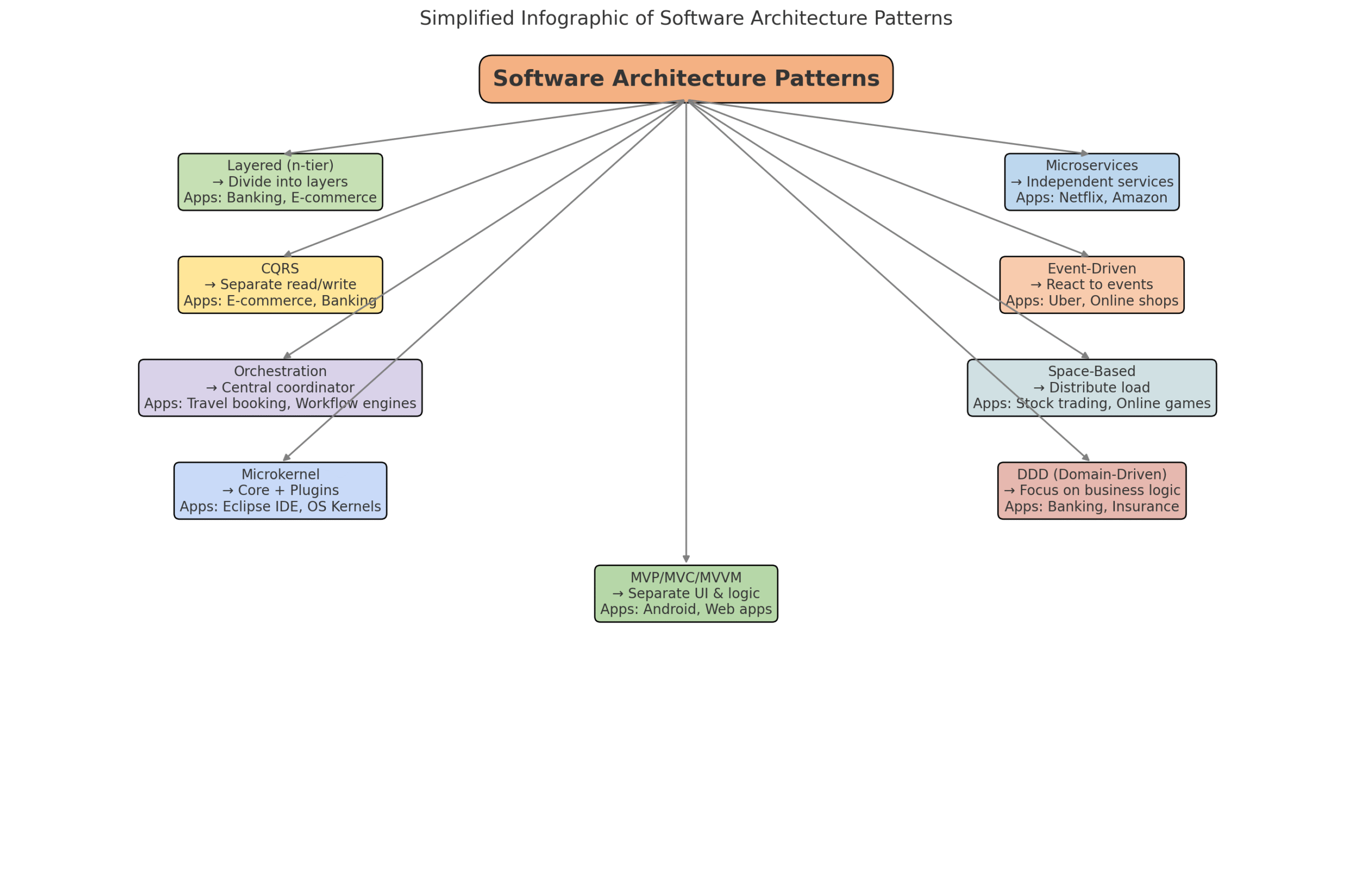
https://gitmind.com/app/docs/m1ln6bto 1. Layered (n-tier) Architecture 2. Microservices Architecture 3. CQRS (Command Query Responsibility Segregation) 4. Event-Driven Architecture 5. Orchestration Architecture 6. Space-Based Architecture 7. Microkernel Architecture 8. DDD (Domain-Driven Design) Architecture 9. MVP / MVC / MVVM (Presentation Patterns) Everyday Analogies 📝
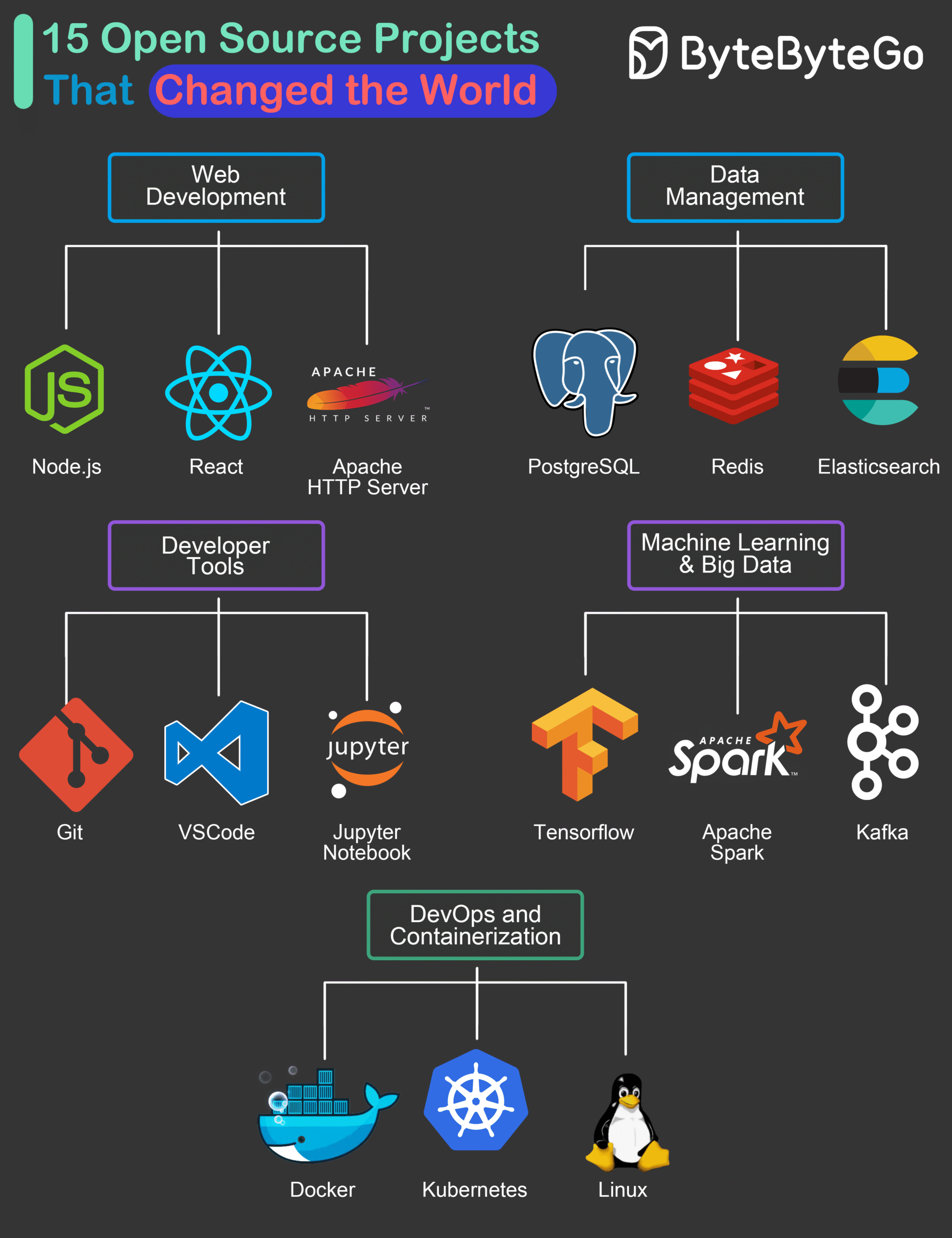
Source:https://bytebytego.com/guides/15-open-source-projects-that-changed-the-world/ Infographic: https://docs.hoctran.io/open_source_projects_infographic.html ソフトウェア開発は、常にアイデアと実験の連続で進化してきました。その中心にあるのが オープンソースプロジェクト です。ここでは、開発者の世界に大きな影響を与えた15の代表的なプロジェクトを紹介します。 主な15のプロジェクト その他注目すべきプロジェクト まとめ
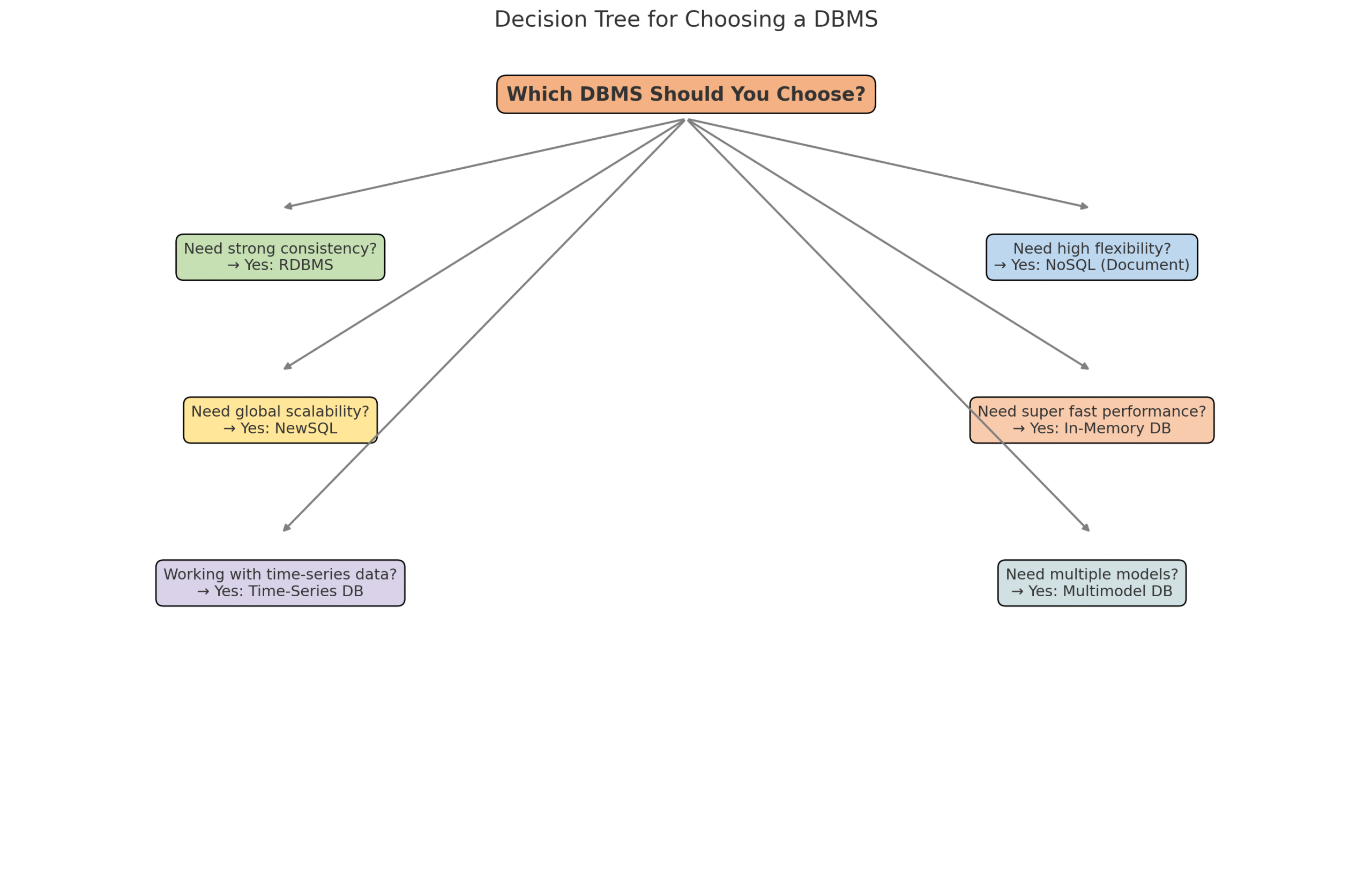
In software development, the database is the heart of every system. However, each type of DBMS is designed for different use cases. This article breaks down the main types, with pros, cons, and real-world applications. 1. Relational Database Management System (RDBMS) Examples: MySQL, PostgreSQL, Oracle, SQL Server 2. NoSQL Database […]
この度、友人たちと一緒に神奈川県南足柄市にある「大野山(おおのやま)」へ登山に行ってきました。都心からのアクセスも良く、標高723メートルと初心者にも優しいこの山は、富士山の絶景ポイントとしても有名です。 この記事では、大野山の魅力や当日の登山の様子、自然の美しさ、そして山の空気を感じた私たちの体験をみなさんにお届けします! 大野山ってどんなところ? 大野山は、丹沢山地の一角に位置し、関東ふれあいの道のルートのひとつでもあります。山頂は広々とした草原になっており、360度のパノラマビューが楽しめます。天気が良ければ、雄大な富士山や相模湾まで一望できるのが魅力です。 山頂到着!絶景に感動 約2時間ほどで山頂に到着。そこには想像をはるかに超える絶景が広がっていました。空と大地が溶け合うような広さ、そして目の前にどーんとそびえる富士山! 私たちはその場でレジャーシートを広げて、おにぎりとコーヒーでランチタイム。風が気持ちよくて、日常の疲れがスーッと抜けていくのを感じました。 おわりに:大野山は心のデトックススポット 今回の大野山登山は、自然の美しさと友人との絆を再確認できる素敵な時間になりました。特別な装備がなくても気軽に挑戦できる山なので、「ちょっと自然の中でリフレッシュしたいな」という方にぴったりです。 ぜひ次の休日に、あなたも大野山の絶景を体験してみてください!
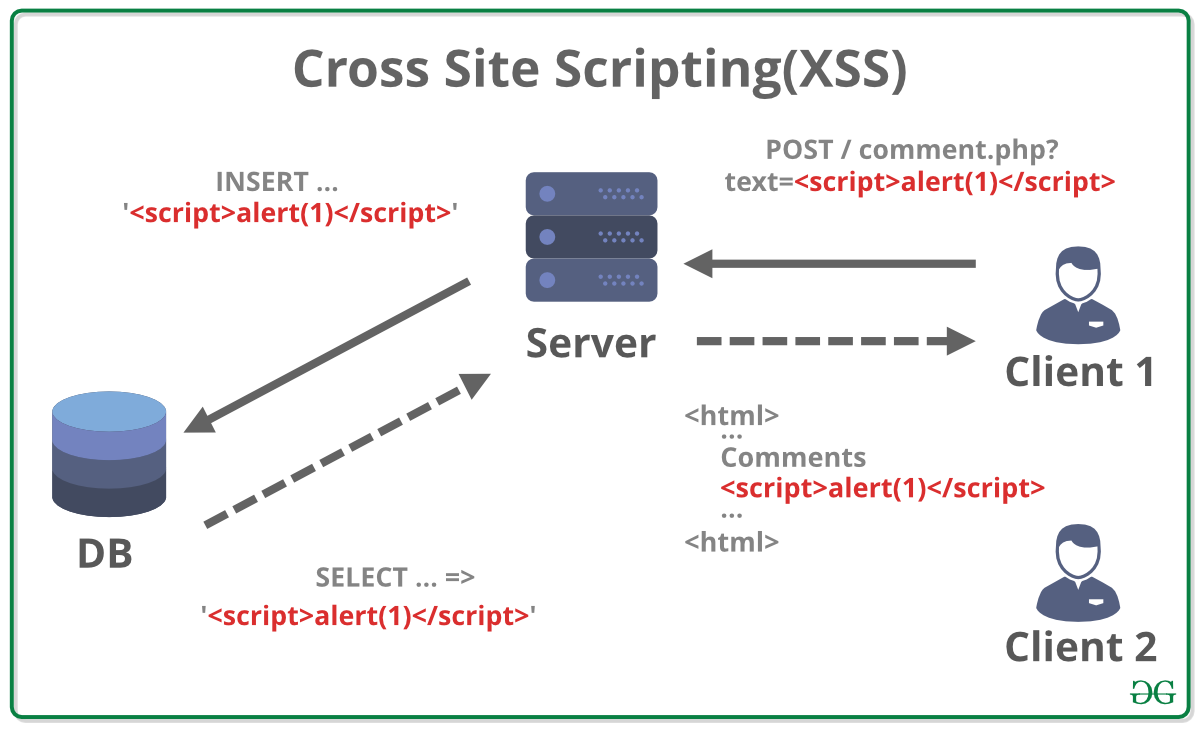
Cross-Site Scripting (XSS) is one of the most common and dangerous security vulnerabilities found in web applications. It can lead to stolen cookies, defaced websites, and compromised user accounts. In this article, we’ll break down what XSS is, how it works, and most importantly—how to prevent it effectively. 🚨 What […]